6 Books to Encourage Making Simple Inferences During Storytime
Helping Kids Make Simple Inferences During Storytime: A Pediatric SLP + Mom’s Guide
As a pediatric Speech-Language Pathologist and a mom of two young kids, I’ve spent a lot of time reading children’s books – both at home on the couch and in therapy sessions on the floor with little ones. One of my favorite things about sharing books with kids is that it creates so many natural opportunities to build cognitive and language skills, without needing anything extra. Just a good story and a little curiosity!
One of the most powerful (and surprisingly simple!) skills we can help kids develop during shared reading is inferencing—the ability to figure out something that isn’t directly stated, by using clues from the pictures, words, and what they already know.
Inferences help kids read between the lines, understand stories on a deeper level, and make connections to their own experiences. The best part? You don’t need any fancy materials or worksheets to teach this. All you need is a book and a little intentional conversation.
Here are some of my favorite ways to encourage simple inferences while reading with your child:

1. Use “I wonder…” questions
Try saying things like:
- “I wonder how she’s feeling right now?”
- “I wonder what might happen next?”
- “I wonder why he did that?”
These types of questions prompt kids to slow down and think about what’s happening in the story. They’ll start looking for clues in the character’s expressions, the events, and even the setting.
SLP Tip: You don’t always need an answer—sometimes just wondering out loud is enough to spark deeper thinking!
2. Talk about facial expressions and body language
Kids often learn best when they can see what you’re talking about. Many picture books show characters’ feelings through their faces and actions.
Try pointing and asking:
- “Look at her face—is she smiling or frowning? What might that mean?”
- “His arms are crossed and he’s looking away—do you think he’s mad or sad?”
This helps build both emotional vocabulary and inferencing skills, while also supporting social-emotional understanding.
3. Ask “Why do you think…?”
This question is simple but powerful. It encourages your child to use logic and context to make a guess.
Examples:
- “Why do you think she left the party early?”
- “Why do you think the dog is hiding under the bed?”
They’re learning to use what they see and hear to figure out the bigger picture—even when the book doesn’t spell it out.
4. Celebrate their thinking, even if it’s not “correct”
When your child offers a guess or an idea, even if it’s a little off-track, celebrate their effort:
- “That’s such an interesting idea! I hadn’t thought of that!”
- “Oh! You think he’s sad because it’s raining. That makes sense—rainy days can feel gloomy!”
This builds confidence and shows them that their thoughts and interpretations matter.
5. Let them lead the way
Sometimes the best inferences come from them! If your child points something out or asks a question, lean into it. Ask them to explain what they’re thinking, and reflect it back to keep the conversation going.
Check out some of my favorite go-to books for making simple inferences with kids. I have 1000% used all of these in my therapy sessions and at home with my own kids!
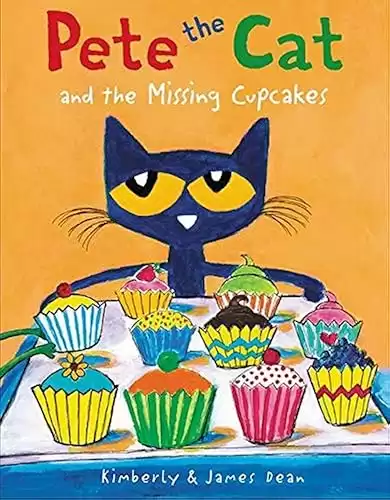
I mean, we all love a Pete the Cat book, and this is one of my faves. When Pete and Gus bake a cupcakes for a party, they discover the cupcakes start to mysteriously disappear. To solve the mystery, Pete and Gus play detective by looking for clues and questioning their friends. The PERFECT book for making simple inferences. Kids love getting into this sweet story and making guesses!

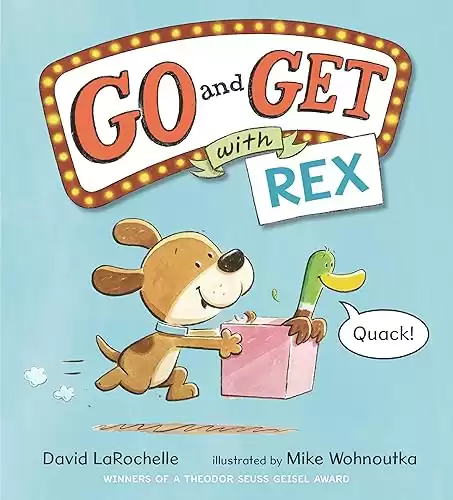
One of my favorite newer additions to our library. Pediatric SLP approved + kid approved! Jack, Jill, and their dog Rex play a fun alphabet game called “Go and Get.” The narrator gives a letter and each player must find something that starts with it. Jack and Jill pick obvious items (frog, fish, skunk, moose, dinosaur, dragon), but Rex repeatedly surprises everyone with silly finds. This book provides perfect opportunities for making simple inferences, promoting phonological awareness, and working on speech sound production!
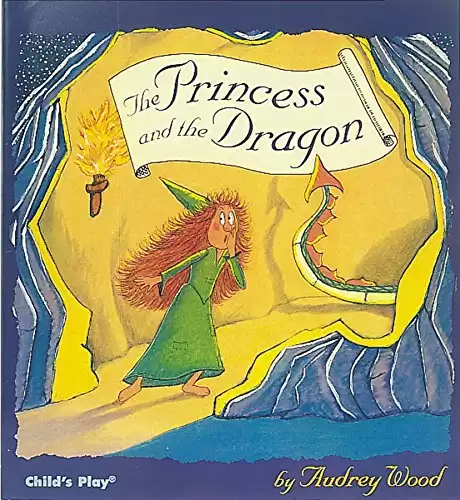
This is one of my favorite picture books for making inferences! I have used this in therapy sessions over the past 7-8 years with a variety of ages. Kids love it! This book upends traditional stereotypes: the princess isn’t graceful, and the dragon isn’t fierce. It invites readers to think beyond outward appearances and consider that people don’t always fit their expected roles.
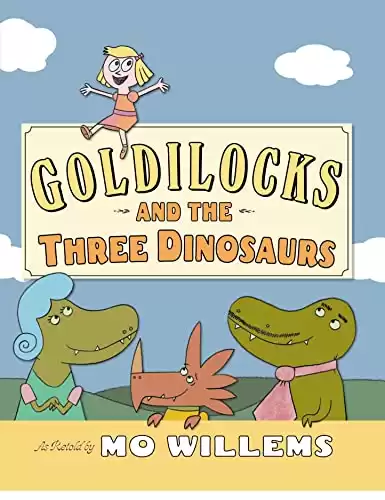
Can you tell we love Mo Willems? Goldilocks and the Three Dinosaurs is a hilarious and clever twist on the classic Goldilocks and the Three Bears. In this version, three dinosaurs set a trap, hoping an unsuspecting child will wander in. Goldilocks does of course, but she's a bit more cautious and self-aware than usual. The story is full of humor, irony, and meta-narration, making it an entertaining and witty read for both kids and adults. Perfect for making simple inferences!
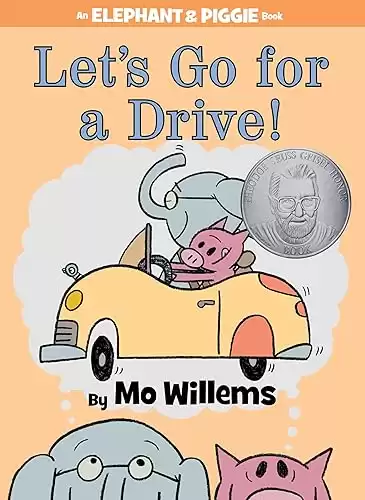
'Let's Go For a Drive' is a fun and engaging early reader book featuring Elephant (Gerald) and Piggie. In the story, Gerald gets excited about going for a drive and plans everything: sunglasses, a map, bags, and more. Piggie helps gather all the items, but they suddenly realize they’ve forgotten one important thing: a car!
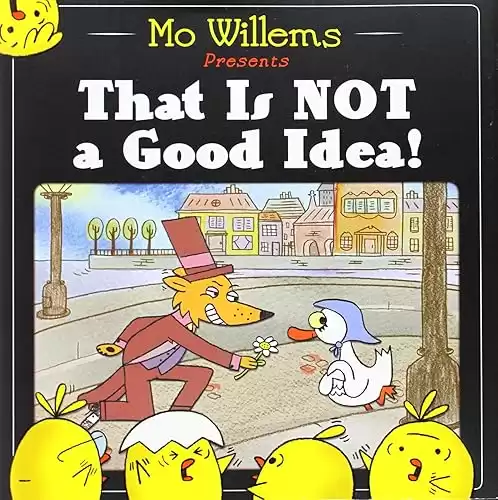
This is a funny picture book told in the style of a silent movie. It follows a sneaky fox who invites a sweet, unsuspecting goose for a walk, and eventually dinner. But throughout the story, a chorus of little goslings keeps interrupting with the warning: "That is not a good idea!" In a surprising twist, the goose turns out to be not so innocent after all. Both of my kids are a fan of this one!
Final Thoughts
Helping your child learn to make inferences doesn’t require formal teaching. It happens in those small, connected moments during a cozy read-aloud or a bedtime story. By asking open ended questions, pausing to reflect, and wondering out loud, you’re helping your child become a more thoughtful, engaged, and confident communicator—and that’s something worth celebrating.
From one mom to another – Happy Reading!

Want more language based book lists for your kids? Check out my post for Promoting Phonological Awareness through Books with Rhyming Text